Web platforms and SaaS
Multi-role SaaS on one backend, and the operations software a business runs on.
40%
More clients served in the same time
Rarău Rental: inventory, booking, check-in
Built forMozar, Rarău Rental, OpenTest

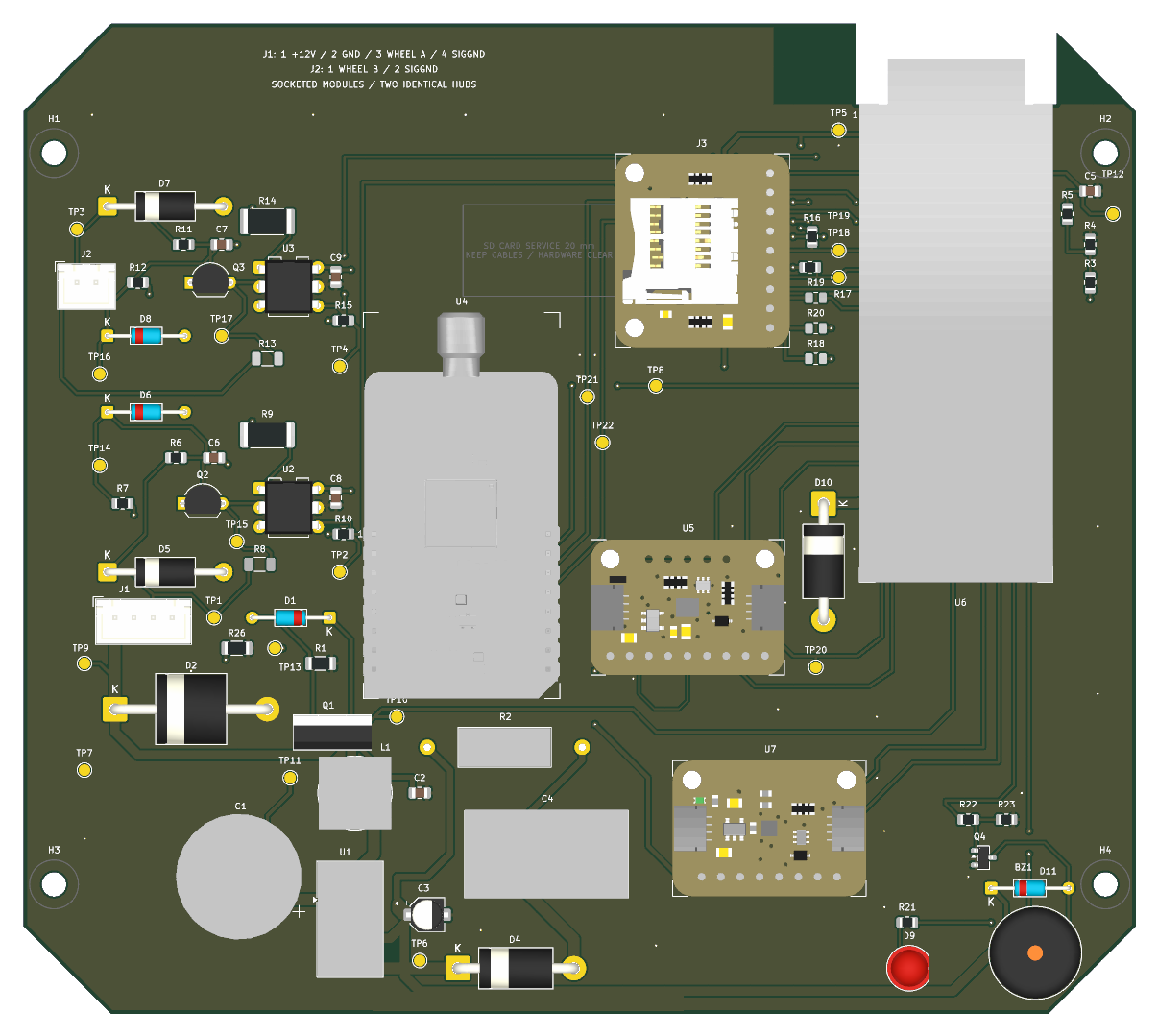
We develop custom software in Cluj-Napoca, EU: SaaS platforms, operations software, phone apps and firmware. One team builds all of it, from the database to the sensor above a museum door.
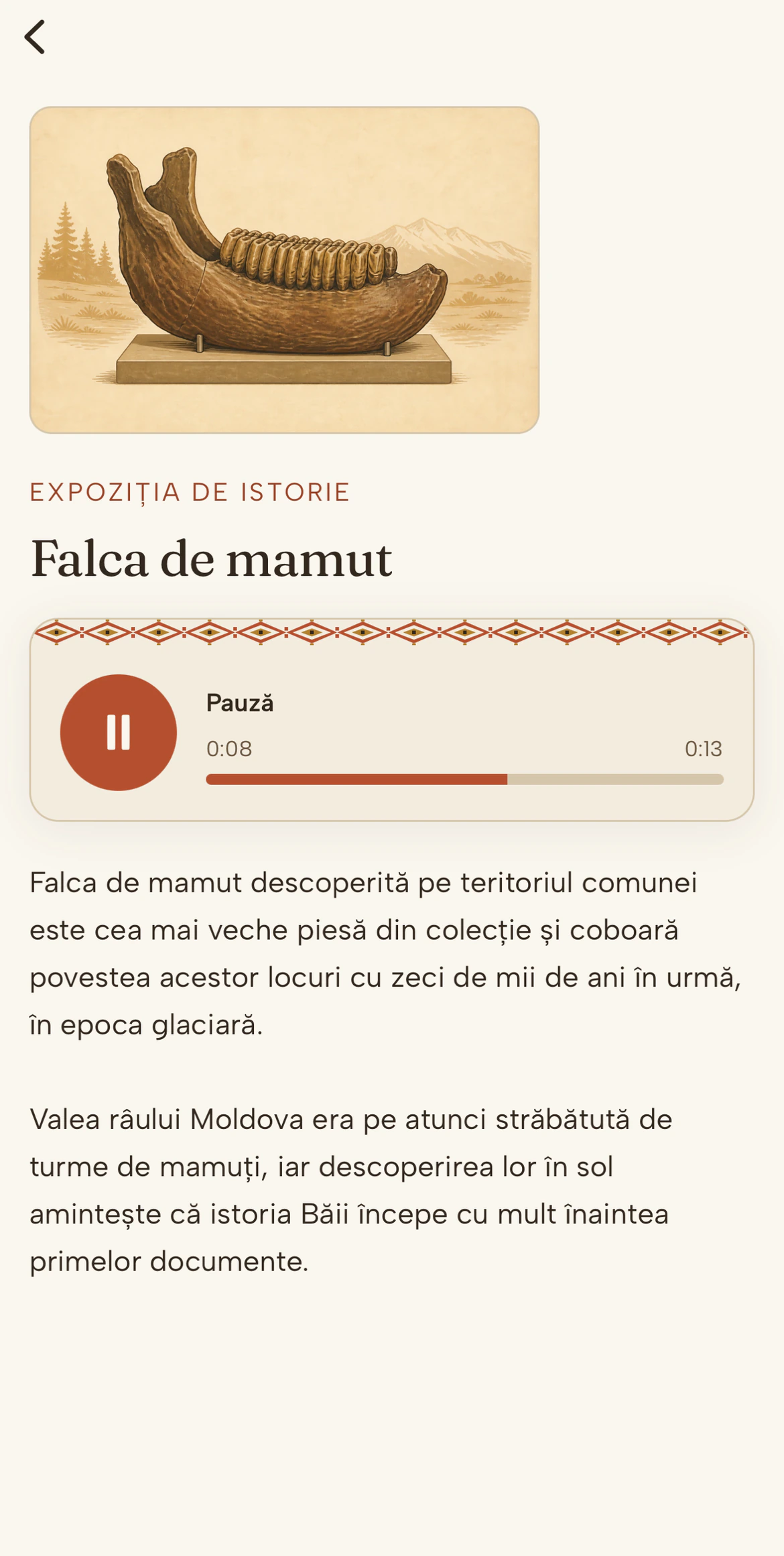
Built for Muzeul Baia: every public and staff tool on one backend.
Every visitor tool, run by the museum's own staff
Run by museum staff from one login
40%
More clients served in the same time
Rarău Rental: inventory, booking, check-in
Built forMozar, Rarău Rental, OpenTest
Live room occupancy, no one identified
Room occupancy refresh, no one identified
Built forMuzeul Baia, Regularity Rally System (prototype), a battery telemetry prototype (NDA)
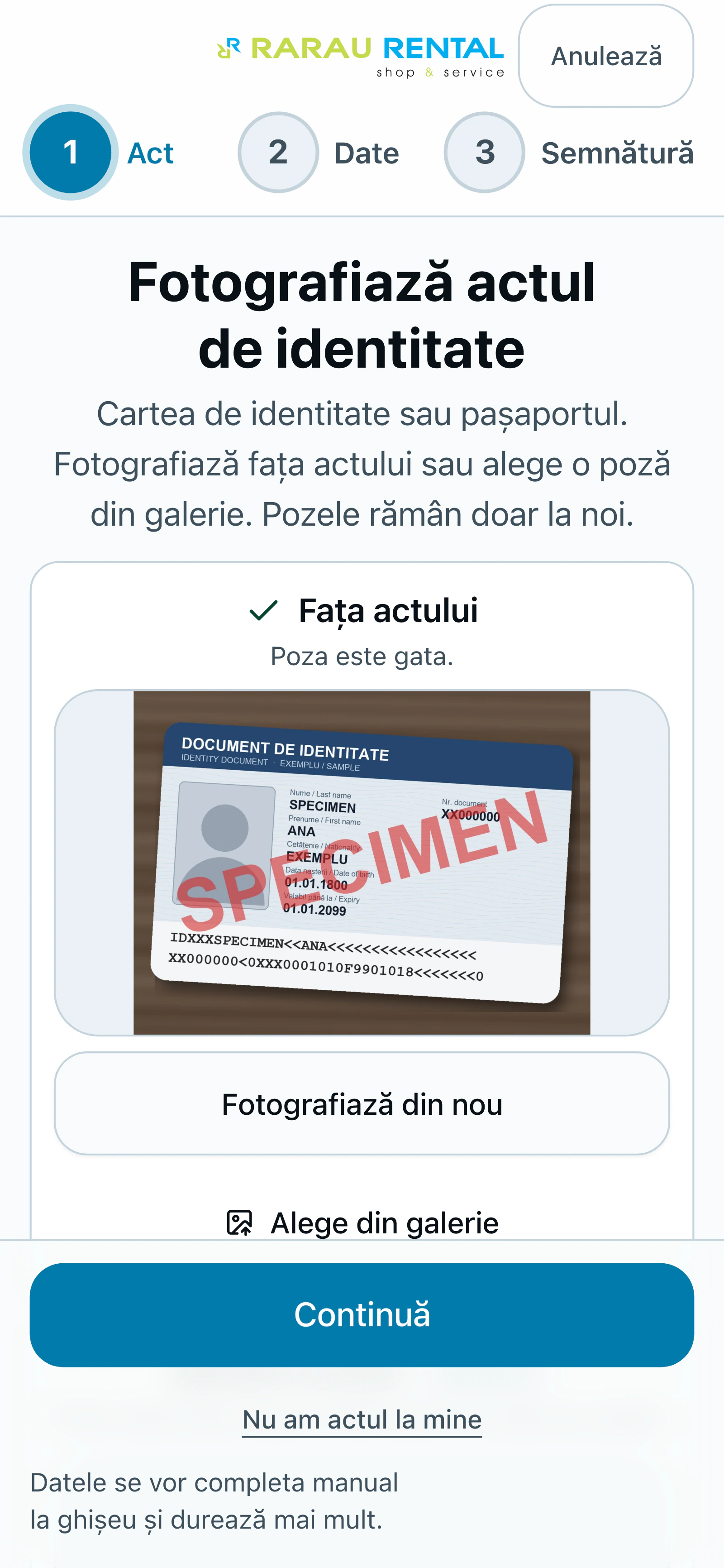
Customers check in on their own phones
Customer fields typed at the counter
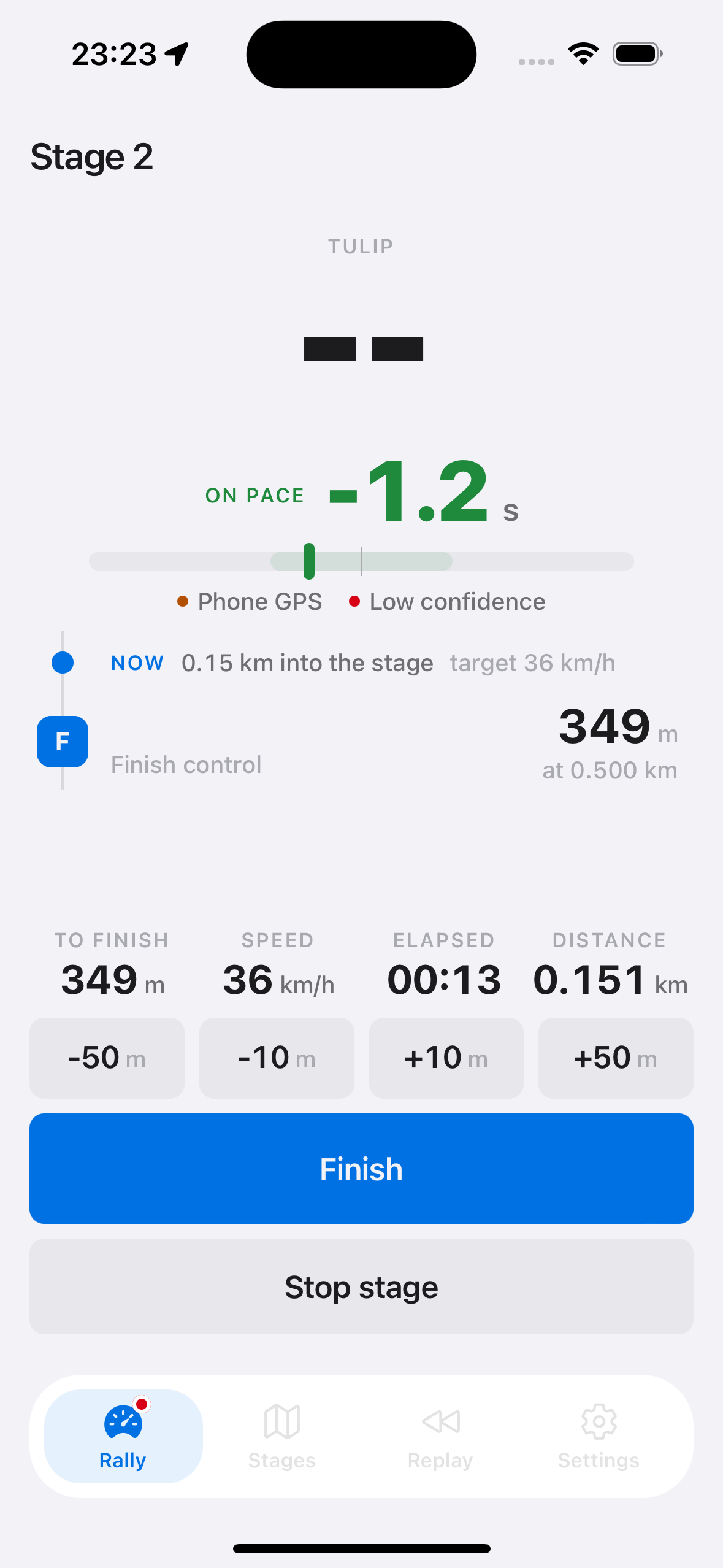
Built forMuzeul Baia, Rarău Rental, Regularity Rally System
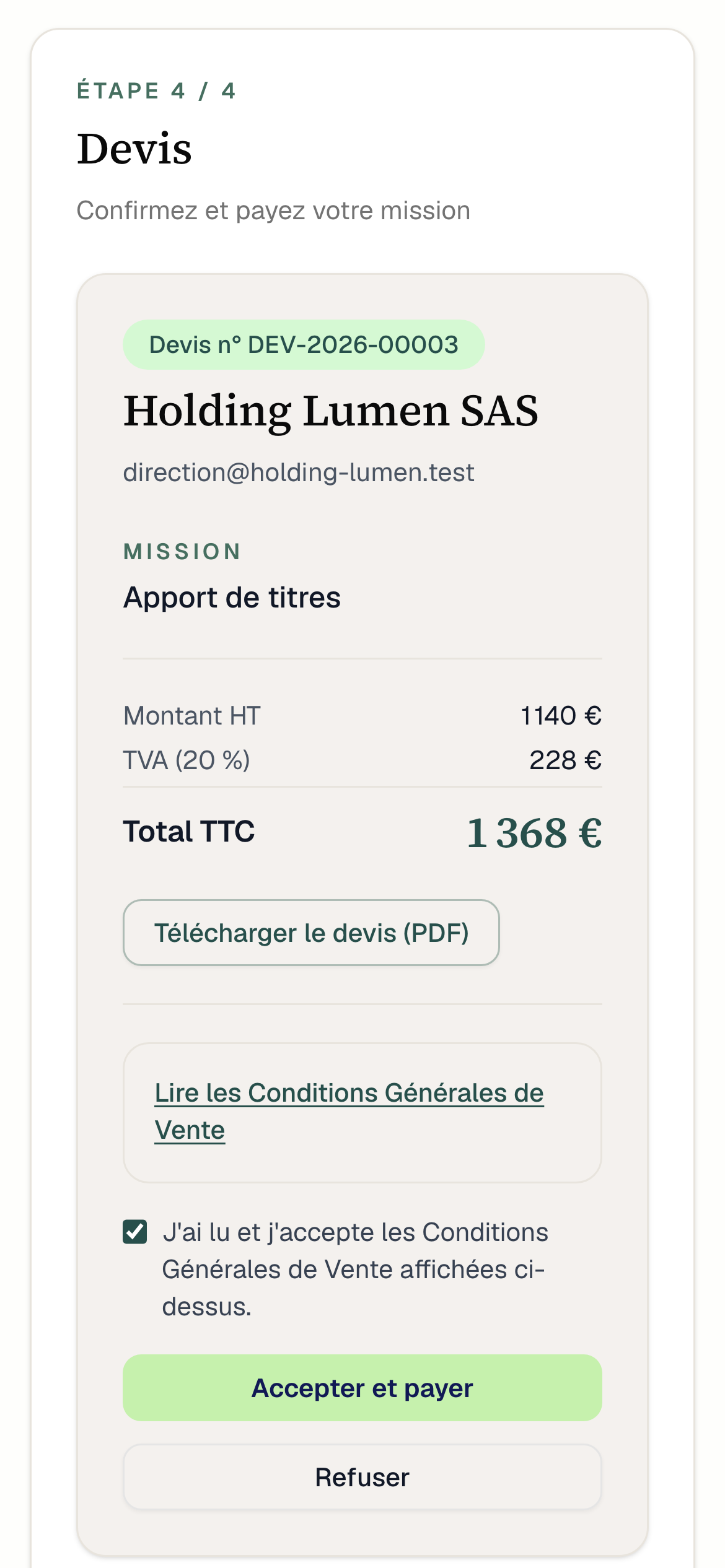
Each stage ends in something the client can check.
A written review comes before any promise.
Mozar's first platform was replaced by a rebuild from scratch. The migration was rehearsed until it ran clean, the old system stayed untouched, and no user had to reset a password.
OpenTest still runs on the stack it launched with. Its backend was upgraded step by step, without a rewrite.
Claude Code writes part of the code; tests and an engineer who knows the system check all of it.
1,210tests
Teams that want the same setup in their own repository get it through Claude Code for teams. The same checks are the evidence a customer's NIS2 questionnaire asks a supplier for: NIS2 for software suppliers. The AI agents we build run inside software made this way.
Chosen per project. A client's existing stack stays when it is sound.
One studio covers all three because real projects need all three. Muzeul Baia combined a public site, an Android audio guide and people counters in one codebase. When the same engineers write the firmware, the backend and the app, there is one protocol, one data model and one owner for every bug.
An inherited codebase gets a written review first: what can stay, what blocks the next feature and what a migration would risk. The review ends in a recommendation to keep and extend the system, or to rebuild it behind a migration, as on Mozar.
Claude Code writes part of the code. Every change still goes through type checks, database tests and CI, and a person who knows the system reviews it before it merges. The checks that run on each project are listed on this page.
Off-the-shelf software wins when the process is standard. Custom pays off when the process is the business: Rarău Rental gives a ski rental counter a console that prices every cart at its cheapest package split, a rule specific to that shop.
Cost follows scope: the number of user roles, integrations and platforms, and any hardware. After the written analysis the build is priced per stage. Hardware prototypes add parts and board runs on top.
Handover means a system another engineer can run: migrations, seed data, runbooks and deploy scripts sit next to the code, with documentation for the people who operate it. Ownership of the code and the accounts is set in the contract; the handover checklist lists what stays with the client.
Work lands as pull requests in the team's own repository, through its CI and review rules. Teams that adopt Claude Code themselves can add the setup described in Claude Code for teams.
A few lines on the system and its users are enough to start.